
lifespan of a printed circuit prototype
The lifespan of a printed circuit board prototype depends on how the PCB is used and the environment it is exposed to. The lifespan of a PCB can also be affected by the components on it that have their own individual life expectancy.
The use of a printed circuit prototype in an electronic design process allows for testing and refinement of a product, catching errors before mass production begins. This can reduce the cost of a project and lower the risk of producing faulty or inefficient products. A printed circuit board (PCB) is an electrical item that uses conductive tracks to connect components. A PCB is more efficient than other wiring methods and can offer a number of advantages for electronic devices.
The shelf life of a PCB can depend on several factors, including the type of product and the manufacturing and assembly processes used. For example, some products require specific types of materials, such as solders or adhesives, which may have a different shelf life than other options. In addition, the way that a PCB is stored and handled can affect its shelf life. For example, a PCB that is exposed to extreme temperatures or environmental conditions may experience accelerated wear and tear.
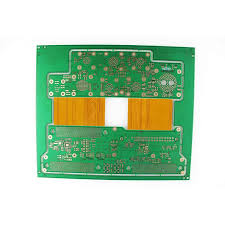
What is the lifespan of a printed circuit prototype?
Printed circuit board production companies must take the longevity of their products into consideration when they are working with new or existing customers. They will likely provide all the necessary testing and precautions to ensure that their products have a long shelf life. However, it is ultimately up to the customer to make sure that they are taking the proper steps to ensure the longest possible lifespan of a PCB.
In order to maximize the lifespan of a PCB, it is important for its users to understand how to properly use it. This includes avoiding excessive handling, dropping or vibration of the product. In addition, if a product is going to be in high-risk environments, such as aerospace applications, it should be built with specialized construction and AS9100D certification in order to handle the harshest of environments.
A functional prototype PCB is a sample of the final product that is as close to the finished, assembled product as possible. It can be made using a variety of different manufacturing techniques, and may incorporate any number of finishing touches to meet the exact specifications of the final project.
PCB prototyping services can help a company save time and money on a new project by providing them with accurate and functional prototypes in a short amount of time. This can be done by working with a company that offers quick-turn PCB fabrication and assembly. With these services, it is possible to have a custom PCB fabricated, assembled and tested in just a few days. This can allow for the fastest possible time to market for a new product. This can be crucial in the electronics industry, where every second counts.