
Piano Transcription in Classical Music
Piano transcriptions are pieces of music that take a completed composition and rearrange them for piano. This was a very common practice for classical composers like Franz Liszt who transcribed many of Beethoven’s symphonies and other works. Jazz musicians also use transcription to learn melodies, chord changes, and solo lines from other artists. This is an important process for improvisers as it helps them understand how these elements are constructed and allows them to incorporate them into their own music.
Transcription is an essential tool for any improviser and one of the most effective methods of study available. It’s an auto didactic learning process that a student can undertake without the aid of a teacher (although some teachers are great at guiding their students through the process). It’s a way of really hearing and duplicating what you hear and it forces the player to listen to the music very deeply. It can also help the improviser better articulate their musical voice by allowing them to see how other musicians have constructed their phrases, articulations and dynamics.
There are many different ways to approach transcribing music and the method you choose should be based on your goals. Some players will choose to only write down the notes and not analyze the structure of the piece while others will use a more holistic approach by writing down every note that was played as well as analyzing how it was played. This can be a very time consuming and complicated process but is a great way to fully comprehend the music.
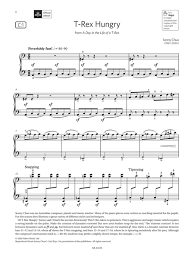
What is a Piano Transcription in Classical Music?
Regardless of the method you choose to use it’s important to start small and work your way up. If you’re a beginner, try to focus on a single melody or rhythmic pattern and stick with this until you feel comfortable moving on to bigger things. Once you get a hang of this it’s possible to move on to larger scale transcription projects such as a full solo or even an entire song.
It’s important to remember that transcribing is a very slow and time consuming process and it’s usually best done in small increments rather than all at once. It can be very easy to burn out if you’re not careful and you should allow yourself a certain amount of time to complete the project before moving on to something else.
One of the greatest jazz pianists ever, Lennie Tristano would have his students (Warne Marsh, Lee Konitz, Paul Desmond etc) transcribe a single solo for a very long period of time before he would let them play it. He’d have them listen to it for weeks and insist they could sing the solo in its entirety, down to the pitches, rhythms, scoops and bends, articulations and dynamic. This is a very powerful and time intensive way of learning to transcribe but can produce amazing results immediately via an improved time feel and more subtle use of nuance for starters. As you do more and more transcriptions the process will become easier and more natural and hopefully allow you to find your own unique voice in music.