
common emc issues encountered in pcb and pcbas
Electromagnetic compatibility (EMC) is a critical aspect of PCB (Printed Circuit Board) and PCBA (Printed Circuit Board Assembly) design, ensuring that electronic devices function properly without emitting or being affected by electromagnetic interference (EMI). Despite careful design efforts, various EMC issues can arise, potentially compromising device performance and compliance with regulatory standards. Understanding these common issues is essential for developing effective mitigation strategies.
One prevalent EMC issue in pcb and pcba is signal integrity problems caused by improper trace routing. High-speed signal traces can act as antennas, radiating electromagnetic energy that interferes with nearby components and circuits. Inadequate routing, such as running high-speed traces near the edges of the board or parallel to each other without sufficient spacing, can lead to crosstalk and signal degradation. To mitigate these issues, designers should use controlled impedance routing, maintain appropriate trace spacing, and avoid unnecessary bends and vias.
Ground loops are another common EMC issue, particularly in designs with multiple ground connections. A ground loop occurs when there is more than one path to ground, creating a loop that can pick up and radiate electromagnetic interference. This can result in noise and erratic behavior in the circuit. Proper grounding techniques, such as using a single-point ground or star ground configuration, can help eliminate ground loops and reduce EMI.
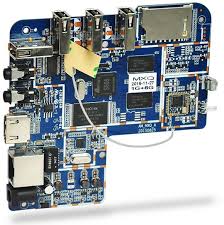
What are the common emc issues encountered in pcb and pcbas?
Poor power supply decoupling is also a significant source of EMC problems. Decoupling capacitors are used to filter high-frequency noise from the power supply, ensuring a stable voltage level for the components. Inadequate or incorrectly placed decoupling capacitors can lead to power supply noise that affects the performance of sensitive components. Ensuring proper placement and selection of decoupling capacitors, close to the power pins of ICs, is crucial for effective noise suppression.
Radiated emissions are a critical concern for EMC in PCB and PCBA design. High-speed digital circuits and switching power supplies are common sources of radiated emissions, which can interfere with other electronic devices. These emissions occur when the frequency of the signals on the board aligns with the resonant frequency of the traces or the PCB itself. Shielding, careful trace routing, and the use of ground planes can help mitigate radiated emissions. Additionally, designers can use ferrite beads and filters to suppress high-frequency noise.
Another frequent issue is electromagnetic susceptibility, where the PCB or PCBA is vulnerable to external EMI. This can lead to malfunctioning or degraded performance when exposed to electromagnetic fields from other devices or environmental sources. To enhance immunity, designers can use shielding techniques, such as enclosing sensitive components in conductive enclosures and grounding them appropriately. Additionally, selecting components with high electromagnetic immunity and designing robust power and ground planes can improve the overall EMC performance.
Crosstalk is a specific form of EMI where signals in adjacent traces or cables interfere with each other. This is particularly problematic in densely packed PCBs with numerous high-speed signals. Crosstalk can cause data corruption and signal integrity issues. To reduce crosstalk, designers should increase the spacing between high-speed traces, use differential pairs for critical signals, and employ ground or power planes to provide effective isolation.
Electrostatic discharge (ESD) is another common EMC issue that can damage components and disrupt circuit operation. ESD events can occur during manufacturing, assembly, or normal device operation. Implementing ESD protection measures, such as using ESD suppressors, TVS diodes, and ensuring proper grounding, can protect sensitive components from ESD damage.
In conclusion, common EMC issues in PCB and PCBA design include signal integrity problems, ground loops, poor power supply decoupling, radiated emissions, electromagnetic susceptibility, crosstalk, and ESD. Addressing these issues requires a comprehensive approach that includes careful design practices, proper component selection, effective grounding and shielding techniques, and thorough testing. By understanding and mitigating these EMC challenges, designers can ensure the reliable operation and regulatory compliance of electronic devices.