
advantages of using flexible circuits
While rigid PCBs have their place, flexible circuits offer advantages that make them increasingly popular in a variety of products. Flex circuits can be bent, creased, or folded without damage, so they can adapt to the shape of an end product. This flexibility also reduces the weight of a finished electronic device by freeing up space for other components. In addition, a flex circuit can be manipulated multiple times during installation and servicing, as well as in shipping and storage, without electronic failure.
Because they are thinner and lighter, flex circuits save energy, especially when compared to thicker rigid boards. This can help make a product more portable, which is important for consumer electronics that are frequently used on the go.
Flex circuits are also more durable than traditional boards, and they are less susceptible to damage from vibrations or shocks. The flex circuits can also be more resistant to chemicals or heat, making them an excellent choice for products that may be exposed to harmful substances or harsh environments. This durability makes a flexible circuit a great choice for medical devices like hearing aids, glucose monitors, and gas sensors.
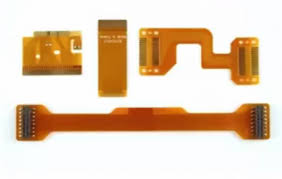
What are the advantages of using flexible circuits in electronic devices?
One of the biggest advantages that flexible circuits provide is their ability to connect to a wide range of connectors without the need for additional soldering. This allows for a much simpler design and reduces the number of points where a circuit can fail, which is one of the most common sources of electronic failures.
A flex circuit is also more versatile than a rigid board because it can be formed in three dimensions with branches to multiple connectors, as opposed to only two. This allows for a high density of devices in a small space, which can be particularly beneficial for products that need to be as compact as possible.
The versatility of a flex circuit also makes it more suitable for a wider range of materials and applications than a rigid printed circuit board. This includes the ability to use a cheaper substrate like plastic film while maintaining device functionality. This can dramatically lower the cost of a final product and help make it more accessible to a larger audience.
Whether you’re looking for a new wearable that tracks your heart rate, a smartwatch that recognizes your voice, or a car that monitors your driving habits, the flexible circuits used in these products are changing our lives. The customizability of flex circuits will only continue to open up more possibilities for personalization and enhancements to our existing electronics.
The flexible sensor arrays in your smartphone or wearable can sense when you’re turning your head, adjusting the music volume, seat height, or even the temperature of the air conditioning accordingly. The sensitivity of these sensors will improve over time, opening up more opportunities for innovation and personalization. The technology is so promising that 34 million cars will be equipped with a flexible sensor array in the steering wheel by 2025.