
advantages of using fast turn rigid flex pcbs
Fast turn rigid-flex PCBs offer a multitude of advantages that make them an indispensable component in modern electronics manufacturing. In this article, we’ll explore the various benefits of using fast turn rigid-flex PCBs and why they are preferred in a wide range of applications across industries.
One of the most significant advantages of fast turn rigid-flex PCBs is their ability to reduce assembly complexity. By combining the flexibility of flex circuits with the rigidity of traditional rigid boards, these specialized PCBs eliminate the need for bulky connectors and interconnects, simplifying the assembly process and reducing the risk of errors. This not only streamlines production but also lowers costs and improves overall reliability.
Moreover, fast turn rigid flex pcb offer unparalleled design flexibility, enabling engineers to create compact and lightweight electronic devices with complex geometries that would be impossible to achieve with traditional rigid boards alone. This flexibility opens up a world of possibilities for product designers, allowing them to innovate and differentiate their products in competitive markets. Whether it’s a wearable fitness tracker, a medical device, or a high-end automotive display, fast turn rigid-flex PCBs enable the creation of sleeker and more aesthetically pleasing designs that enhance the user experience.
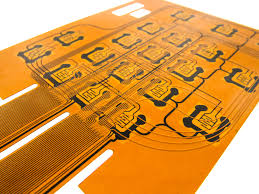
What are the advantages of using fast turn rigid flex pcbs?
In addition to their design flexibility, fast turn rigid-flex PCBs also provide superior reliability and durability compared to traditional rigid boards. By eliminating the need for solder joints and connectors, these specialized PCBs reduce points of failure and enhance the overall robustness of electronic devices. This is particularly important in mission-critical applications such as aerospace, automotive, and medical devices, where reliability is non-negotiable.
Another advantage of using fast turn rigid-flex PCBs is their ability to reduce size and weight in electronic devices. By integrating multiple PCBs and components into a single flexible unit, manufacturers can create more compact and lightweight products without sacrificing performance or functionality. This is especially beneficial in applications where space is limited, such as portable electronics, wearable devices, and drones.
Furthermore, fast turn rigid-flex PCBs offer faster turnaround times compared to traditional rigid boards, making them ideal for rapid prototyping and iterative design processes. This agility allows manufacturers to bring products to market faster and stay ahead of the competition in today’s fast-paced market. Whether it’s a new smartphone, a medical device prototype, or a cutting-edge automotive display, fast turn rigid-flex PCBs enable rapid innovation and iteration without compromising on quality or performance.
In conclusion, the advantages of using fast turn rigid-flex PCBs are clear. From reducing assembly complexity and improving design flexibility to enhancing reliability and durability, these specialized PCBs offer a wide range of benefits that make them essential components in modern electronic devices. As technology continues to advance, the demand for fast turn rigid-flex PCBs will only continue to grow, driving innovation and pushing the boundaries of what’s possible in electronic manufacturing.