
PCB rigid flex support the Internet of Things (IoT)
With PCBs powering everything from sensors and cameras to drones and automobiles, a variety of challenges need to be met. IoT devices, for example, have limited space to fit their components, yet must be as robust as possible. This is where PCB rigid flex offers valuable support, allowing engineers to cram in more functionality in less space.
PCB rigid flex is obtained by laminating together rigid and flexible circuit board substrates. This allows the rigid parts to carry the componentry, while the flex sections act as interconnect paths between them. This allows for a more compact board design with the ability to bend and flex, providing greater flexibility and mechanical stability. Rigid flex also provides superior electrical performance in a small package, as compared to traditional rigid boards.
The Internet of Things requires that circuit boards be as tiny and as lightweight as possible to minimize wear and tear on the devices themselves, as well as improve the user experience. To meet these demands, IoT devices typically rely on creative engineering and custom PCB design. As such, a high proportion of IoT devices are powered by flexible concepts like pcb rigid flex.
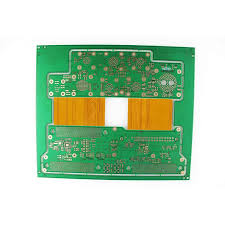
How does PCB rigid flex support the Internet of Things (IoT)?
This is because combining rigid and flex substrates can eliminate the need for wires and connectors, lowering the overall cost of the product while maintaining an appropriate level of strength. This is made possible thanks to the dynamic bending capability of rigid flex circuits.
Rigid flex is also a crucial solution for IoT devices operating in challenging environments. For example, the 5G era will require circuit boards to be able to transmit high-frequency signals across long distances with minimal attenuation and interference. To address these demands, IoT devices using rigid flex will need to be designed with specialized materials that can withstand high vibrations and temperature variations.
Other challenges that PCB rigid flex helps to overcome include signal integrity and electromagnetic interference (EMI) between the rigid and flex sections of the board. Maintaining signal quality in these areas will require careful design and manufacturing considerations, such as ensuring that the rigid and flex sections are fabricated from similar materials with the same thermal expansion coefficients. Additionally, it will be important to plan for proper connector placement in the transition zone to avoid mechanical stress and reliability issues.
Fortunately, IoT designers can optimize these factors by leveraging the latest tools for designing and preparing rigid-flex boards for manufacturing. Integrated MCAD and ECAD rigid-flex PCB design tools allow engineers to accurately visualize the bending region in their designs, helping them to better prepare a prototype for production. These same tools can also be used to generate critical manufacturing deliverables such as Gerber files and assembly drawings. In addition, they can be used to perform advanced layout and routing tasks. This way, IoT engineers can ensure that their products will be able to meet the challenges of the future electronics industry.