
printed circuit board manufacturerss different from rigid PCBs
In the realm of electronics manufacturing, the terms “printed circuit board manufacturers” and “rigid PCBs” often intersect but refer to distinct aspects of the production process. Understanding the differences between the two is crucial for navigating the intricate landscape of electronic component fabrication.
printed circuit board manufacturers, often referred to simply as PCB manufacturers, are the entities responsible for the design, fabrication, and assembly of printed circuit boards. They oversee the entire lifecycle of a PCB, from initial concept to final product, utilizing advanced technologies and expertise to meet the diverse needs of the electronics industry.
The term “rigid PCBs,” on the other hand, refers to a specific type of printed circuit board characterized by its inflexible substrate material. Rigid PCBs are commonly used in applications where durability, stability, and reliability are paramount, such as consumer electronics, industrial equipment, and automotive systems.
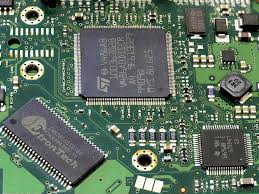
How are printed circuit board manufacturerss different from rigid PCBs?
One of the primary distinctions between printed circuit board manufacturers and rigid PCBs lies in their respective roles within the manufacturing process. PCB manufacturers serve as the orchestrators, overseeing every aspect of PCB production, including design, fabrication, and assembly. Their expertise spans multiple disciplines, from electrical engineering to materials science, allowing them to navigate the complexities of PCB manufacturing with precision and efficiency.
In contrast, rigid PCBs represent a single component within the broader spectrum of electronic devices. While they are integral to the functionality of many electronic systems, they are but one piece of the puzzle. Rigid PCBs are manufactured according to specifications provided by PCB manufacturers, who collaborate closely with engineers and designers to ensure optimal performance and reliability.
Another key difference lies in the flexibility of the substrate material. Rigid PCBs, as their name suggests, are constructed using rigid materials such as fiberglass-reinforced epoxy laminate. This inherent rigidity provides stability and structural integrity, making rigid PCBs well-suited for applications where the board will not undergo significant bending or flexing during use.
In contrast, printed circuit board manufacturers may specialize in producing various types of PCBs, including rigid, flexible, and rigid-flex PCBs. Flexible PCBs, also known as flex PCBs, are constructed using flexible substrate materials that allow the board to bend or conform to irregular shapes. Rigid-flex PCBs combine elements of both rigid and flexible PCBs, offering the benefits of stability and flexibility in a single package.
Additionally, the manufacturing processes for rigid PCBs and other types of PCBs may differ in certain respects. While the fundamental steps of PCB fabrication, such as etching, drilling, and soldering, remain consistent across different types of PCBs, the specific techniques and materials used may vary based on the desired characteristics of the final product.
In summary, while printed circuit board manufacturers and rigid PCBs are interconnected components of the electronics manufacturing ecosystem, they represent distinct facets of the production process. PCB manufacturers oversee the design, fabrication, and assembly of printed circuit boards, while rigid PCBs serve as critical components within electronic devices, providing stability and reliability in a wide range of applications. Understanding the differences between the two is essential for navigating the complexities of modern electronics manufacturing and ensuring the successful development of innovative electronic products.