
PCB Board Assembly Manufacturing
Creating a circuit board is similar to piecing together a puzzle. It requires a precise layout to ensure all components fit and work seamlessly together. When a circuit board undergoes assembly, it needs to be inspected for any defects in the design. This is a crucial step for successful PCB production because it allows manufacturers to deliver high-quality products. Fortunately, there are many guidelines that can be followed to make the PCB assembly process smoother.
Using standard and common components allows manufacturers to keep inventories low and reduce costs. These are typically easier to source than custom or unique parts, which require additional time and effort to locate. It also reduces the chances of a component’s shelf life running out before the manufacturer can source a replacement.
Sticking to fabrication limits for trace width, tolerances, and pads helps the CM (contract manufacturer) produce boards within the required specifications. In addition, it prevents a project from going over budget by eliminating unnecessary reworking.
Avoid packing components too closely together on the pcb board assembly manufacturing, as this increases the likelihood of solder bridging and makes it harder for the assembler to verify that all connections are in place. Moderate component spacing also encourages precision soldering and reduces the need for rework.
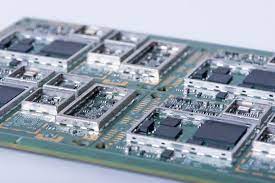
Design Guidelines for PCB Board Assembly Manufacturing
It is also necessary to consider the thermal characteristics of the circuit board and ensure that all hot components have adequate space to avoid shorting out or damaging traces and other elements nearby. Additionally, it is advisable to use thermal vias as much as possible to transfer heat to the appropriate areas of the PCB.
The number of unique component packages should be limited in order to streamline the assembly process and minimize errors. In addition, the orientation of components that have a definite polarity should be clearly indicated in the schematic symbol and silkscreen. This will help to eliminate any confusion during the inspection process.
A scalability-conscious design ensures that the PCB can be upgraded or expanded in the future without needing to be completely redesigned. It is recommended that the designer consult with the fabricator to determine if their equipment and processes will allow for a specific component to be added.
It is also a good idea to have an initial prototype made by a reputable contract manufacturer to test the quality of the final product. This will enable the designer to identify any potential problems with the layout and resolve them before submitting the final design for mass production. Using a reliable, professional contract manufacturer like Sierra Circuits will eliminate the need for extensive rework, resulting in a faster and more cost-effective PCB assembly process. Contact us today to request a quote for your next PCB assembly project. We specialize in assembling BGA, micro-BGA, and QFN leadless packages, as well as a wide range of SMT devices. Our team of experienced and skilled employees are here to assist you in bringing your next project to life. We look forward to working with you!