
Flex Circuit PCBs Be Used in High-Temperature
A flex circuit is a type of printed circuit board (PCB) that has a flexible portion and can be bended. It’s designed to withstand high levels of bending and can be used in various environments. In order to ensure the durability of a flex circuit, certain materials are used. Some of these include FR-4 and polyimide. These are bonded together using no-flow prepreg material. This allows the flex section to bend without damaging the bonding area. This type of a flex circuit is perfect for use in medical devices that come into contact with patients. It is also ideal for LED lights and other consumer electronics.
A standard flex circuit has a conductor layer and an insulator layer. The conductive layer is made from copper foil. It can be etched to create the desired flex circuit pcb path. The insulator layer is made from a variety of materials, including polyimide, polyester and solder mask. The insulator can be coated with a layer of copper to make it more resistant to corrosion and wear.
Flex circuits generate a significant amount of heat. If this is not managed effectively, it can damage the components and lead to failure. It’s important to understand that a flex circuit needs to be able to dissipate the excess heat. This can be done by adding heat sinks to the board. They are placed at points where the maximum temperature is expected to occur. The heat sinks are able to disperse the heat more evenly and improve the longevity of the flex circuit.
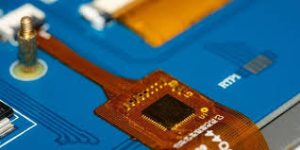
Can Flex Circuit PCBs Be Used in High-Temperature Applications?
Some flex circuits need stiffeners to give them extra mechanical stability. Stiffeners can be created from a variety of materials, depending on the design requirements. They are often made from a combination of FR-4 and metal (usually aluminum or stainless steel). These are added to selected areas on the PCB that need more support, like the end connectors.
In order to ensure that a flex circuit can operate under a high temperature range, it is essential to choose the right materials and components. This can be done by consulting with a professional flex PCB manufacturer and ensuring that they have the necessary tools and equipment to handle high temperatures. The best flex circuit manufacturers are ones that offer turnkey PCB manufacturing and assembly services.
It’s also important to check out the manufacturer’s quality and reliability, which can be determined by examining their certifications and registrations. It is also beneficial to visit their facility and see their production capabilities in person. This will help ensure that you’re getting the best quality-to-cost ratio possible. It’s also a good idea to ask the manufacturer to create a sample flex circuit for you so that you can see their work firsthand. This will help you avoid any mistakes during the design process and save you time and money in the long run. The PCBWay flex circuit calculator is an excellent resource to help you figure out how much your design will cost.