
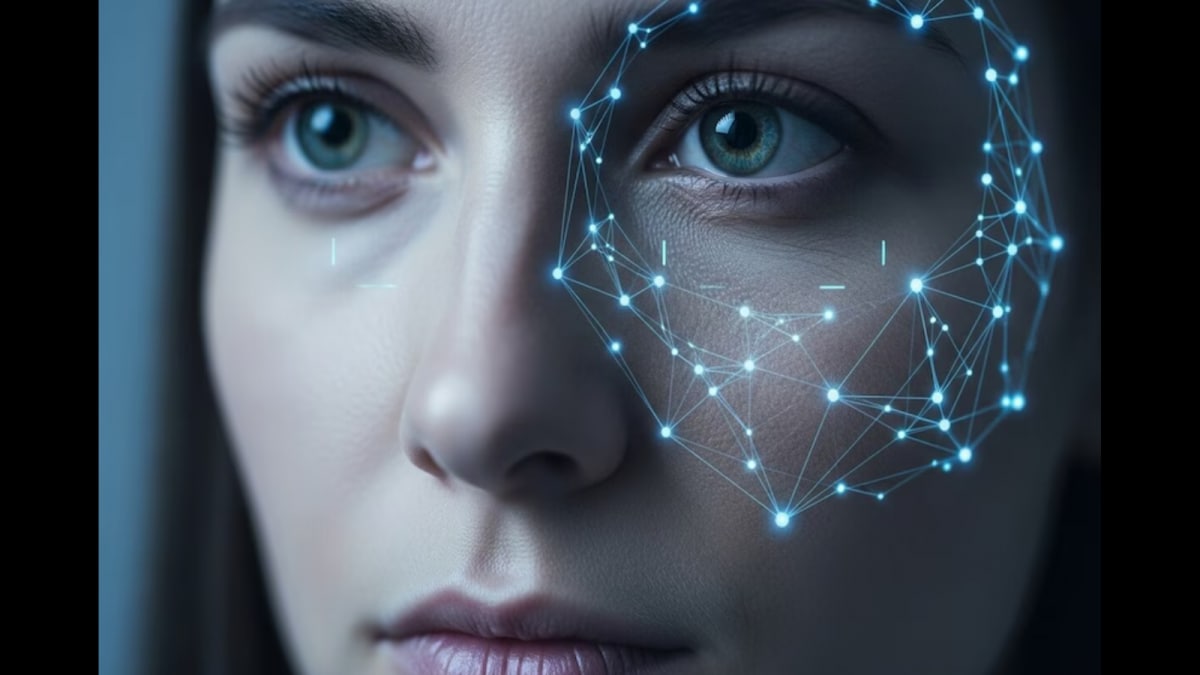
In a move to bolster passenger safety, Indian Railways has introduced Facial Recognition Technology (FRT) at seven of its busiest stations, including New Delhi, Mumbai Central, Chennai Central, and Howrah. This advanced technology not only enhances security but also aims to speed up passenger services and reduce congestion. (News18 Telugu)
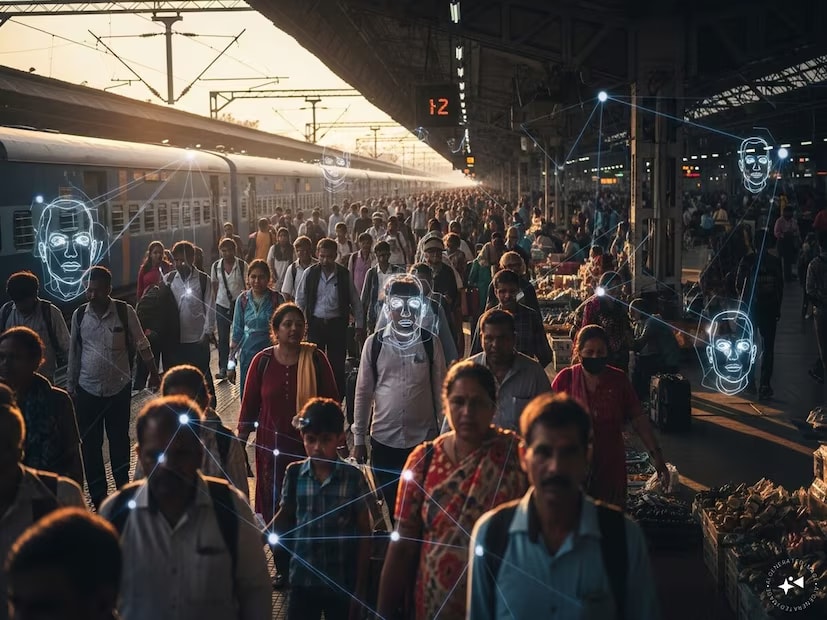
What Is FRT: FRT identifies unique facial features, such as the position of the eyes, nose, and mouth, and matches them against photos in a secure database. The system is powered by artificial intelligence (AI) and machine learning, allowing it to detect faces quickly and accurately in real-time. (News18 Telugu)
Benefits: Railway stations witness the daily movement of lakhs of passengers, making them vulnerable to theft, suspicious activity, and even terrorist threats. With FRT, security personnel can identify potential threats early, track suspects, and prevent crimes more effectively. (News18 Telugu)

The use of FRT offers several advantages as with this feature, suspects can be identified instantly, which helps deter crime. It also reduces the need for manual ticket checks, thereby cutting down waiting time for passengers. It also assists in better crowd management by helping authorities monitor passenger flow. (News18 Telugu)
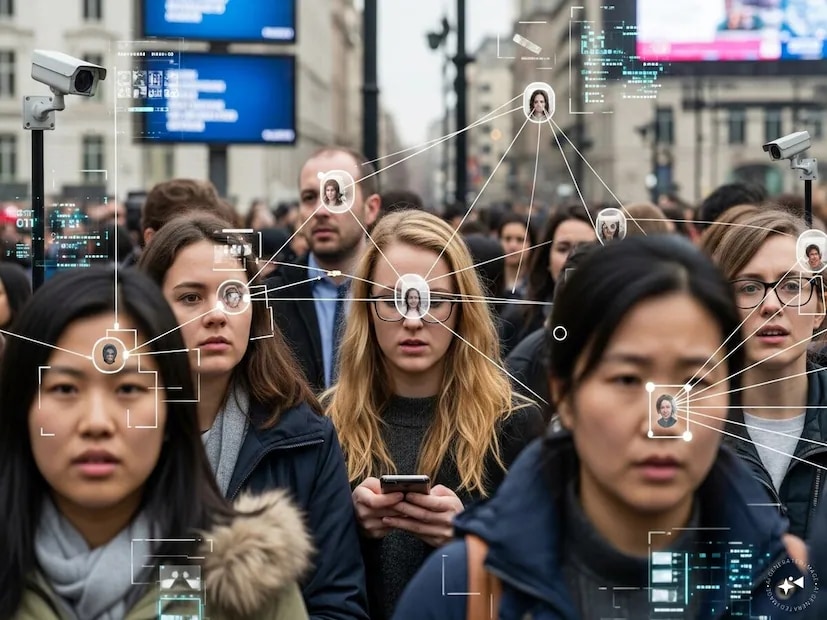
Global Use Of FRT: Facial recognition is being used in over 100 countries worldwide. It is particularly widespread in China, where the technology is implemented at intersections, shopping malls, and public transport hubs. Countries like the US, Russia, Japan, Singapore, and the UAE have also integrated FRT in various sectors. (News18 Telugu)
How Is Aadhaar Data Involved: India’s Aadhaar database includes photos, fingerprints, and iris scans of nearly every citizen. In theory, FRT could be linked to Aadhaar images. However, Indian law prohibits the use of Aadhaar data for general surveillance. According to UIDAI, Aadhaar can only be used for authenticating government schemes and not for mass facial recognition. (News18 Telugu)
Concerns and Limitations: While the technology brings many benefits, it also comes with challenges. Privacy remains a major concern, as personal data is being recorded. Misidentification is possible, especially if the face is partially covered or lighting is poor. The high cost of implementation and risks of data breaches also raise red flags. (News18 Telugu)
Where Else is it Being Used in India?: Beyond railway stations, facial recognition is being deployed across sectors. At airports, the Digi Yatra system allows ticketless boarding. Delhi Police have used FRT to locate over 3,000 missing children. Educational institutions use it for tracking student attendance, and banks are beginning to use it for customer verification. (News18 Telugu)
Facial recognition represents a significant leap in India’s security infrastructure. It has the potential to streamline operations, boost surveillance, and enhance public safety. (News18 Telugu)
While the benefits of facial recognition are undeniable, the government must ensure that proper checks and balances are in place. Addressing privacy concerns, regulating data usage, and ensuring transparency are crucial as the country moves towards a more tech-driven public security model. (News18 Telugu)