
printed circuit boards manufacturers
Printed circuit boards (PCBs) are integral components in a vast range of electronic devices, and their design and production have evolved significantly over time. One of the more advanced types of PCBs is the flexible PCB, which offers unique advantages over traditional rigid PCBs. These flexible boards are made using materials that allow them to bend, twist, and fold, making them ideal for use in applications where space constraints and dynamic movement are critical. The question of whether printed circuit boards manufacturers can produce flexible PCBs is a common one, and the answer is yes—many manufacturers have the capability to design and produce flexible PCBs.
Flexible PCBs differ from traditional rigid boards in that they use flexible substrates, such as polyimide or polyester films, rather than rigid fiberglass or epoxy materials. These substrates allow the board to be bent or flexed without damaging the electrical connections or components. Printed circuit boards manufacturers that specialize in flexible PCBs are equipped with the necessary expertise and technology to handle the complexities involved in producing these types of boards. Manufacturing flexible PCBs requires specialized processes to ensure that the components are securely attached and that the board can withstand repeated bending without compromising its functionality.
The production of flexible PCBs involves several steps that differ from those used in rigid PCB manufacturing. For example, printed circuit boards manufacturers must use specialized equipment to handle the flexible substrates and ensure that they are properly etched with the circuit patterns. The manufacturing process also includes applying solder mask and silkscreen layers to protect the circuitry and mark component locations, much like in rigid boards. However, the flexible nature of the material adds an extra layer of complexity to the process. For instance, the handling and transport of flexible substrates must be done with care to avoid damaging the material, and the components must be mounted in a way that accommodates the board’s ability to bend.
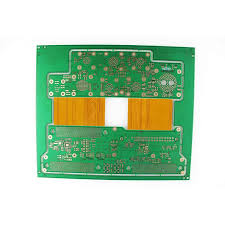
Can printed circuit boards manufacturers produce flexible PCBs?
One of the primary advantages of flexible PCBs is their ability to be integrated into compact and curved spaces. This makes them ideal for use in applications such as wearable devices, medical equipment, and automotive electronics, where space is limited and the PCB must conform to the shape of the device. Printed circuit boards manufacturers can design flexible PCBs to meet the specific requirements of these applications, including ensuring that the board maintains its performance even when subjected to mechanical stress or bending. The flexibility also allows for more efficient use of space, which is particularly important in small or intricate devices.
While many printed circuit boards manufacturers can produce flexible PCBs, it’s important to note that producing these boards typically requires more advanced techniques and equipment compared to traditional rigid PCBs. Not all manufacturers are equipped to handle the production of flexible boards, so it’s crucial for designers to work with manufacturers that have the necessary expertise in flexible PCB technology. In addition, flexible PCBs tend to be more expensive to produce than rigid PCBs due to the specialized materials and processes involved. This makes it important for businesses to carefully evaluate the cost-benefit ratio when considering flexible PCBs for their products.
In conclusion, printed circuit boards manufacturers are indeed capable of producing flexible PCBs, and many specialize in this area. The production of flexible PCBs requires a combination of advanced materials, specialized equipment, and technical expertise to ensure that the boards meet the performance requirements for applications where flexibility and compactness are essential. As the demand for smaller, more versatile electronics continues to grow, flexible PCBs are expected to become even more prevalent, and manufacturers are increasingly investing in the technology to meet these needs.