
common challenges when setting up an AIO flight controller
Setting up an AIO (All-in-One) flight controller can be an exciting yet challenging task for drone enthusiasts and professionals. The AIO flight controller integrates multiple components, such as the flight controller, ESC (Electronic Speed Controller), and often the receiver, into a single unit. While this integration simplifies the build process and reduces the weight of the drone, it also introduces several challenges that users must overcome to ensure the controller functions optimally.
One of the most common challenges when setting up an AIO flight controller is ensuring proper wiring and connections. Since the AIO flight controller combines multiple components in one unit, the wiring process becomes more complex compared to using separate individual components. Careful attention must be given to connecting the correct wires for power, signal, and communication between the flight controller and other parts of the drone, such as the motors, GPS, and receiver. Incorrect connections can lead to malfunctioning components, or worse, damage to the controller. Proper documentation and clear labeling of wires are essential for avoiding mistakes during the setup process.
Another challenge arises during the configuration of the aio flight controller firmware. Many AIO flight controllers support different types of firmware, and users need to ensure they select the right one for their specific drone setup. This step often requires updating the firmware to the latest version, which can be a tricky process if the user is unfamiliar with the tools and procedures. Mistakes during the firmware flashing process can cause the flight controller to become unresponsive or even brick the controller. It’s critical to follow the manufacturer’s guidelines carefully and back up any important settings before proceeding with firmware updates.
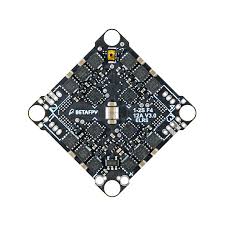
What are the common challenges when setting up an AIO flight controller?
Configuring the settings of the AIO flight controller for optimal performance is another challenge that many users face. This involves calibrating the flight controller to match the specific hardware of the drone, such as the motors, ESCs, and sensors. Getting the right PID (Proportional, Integral, Derivative) values, throttle limits, and other parameters can be time-consuming and requires a fair amount of trial and error. For beginners, this process can be particularly frustrating, as an incorrect setting can lead to unstable flight behavior, poor control response, or even loss of control. Fine-tuning these settings to achieve smooth flight performance can take multiple test flights and adjustments.
Another challenge when setting up an AIO flight controller is troubleshooting connectivity issues. Since the AIO flight controller consolidates multiple functions into a single unit, any issues with communication between the components can be difficult to diagnose. For example, signal interference or malfunctioning sensors can cause problems that are hard to identify, especially if the AIO controller is not communicating properly with the receiver or GPS module. In such cases, users may need to rely on diagnostic tools, like software and telemetry, to identify and fix the problem.
Finally, heat management and placement are also key considerations when setting up an AIO flight controller. While the integration of components into one unit reduces weight and simplifies wiring, it can also lead to heat buildup. If the AIO flight controller is placed too close to other components, such as the motors or battery, excessive heat can negatively impact its performance or lead to thermal shutdowns. Ensuring proper airflow and avoiding heat accumulation is crucial for maintaining the longevity and reliability of the flight controller.
In conclusion, setting up an AIO flight controller involves a series of challenges, including proper wiring, firmware configuration, calibration, troubleshooting connectivity, and managing heat. While these challenges can be daunting, they are not insurmountable with the right knowledge, tools, and patience. By understanding the common issues and taking the necessary precautions, drone enthusiasts can successfully set up their AIO flight controllers for optimal performance and reliability, ensuring a smooth and enjoyable flight experience.