
Printed circuit board assembly companies impact time-to-market
Printed circuit board (PCB) assembly companies play a significant role in influencing the time-to-market of electronic products. Time-to-market refers to the duration it takes for a product to be developed, manufactured, and launched into the market. PCB assembly companies impact time-to-market in several ways, including their ability to efficiently produce high-quality PCB assemblies, provide timely feedback and support to customers, and adapt to changing market demands and technological advancements.
One of the primary ways in which printed circuit board assembly companies impact time-to-market is through their manufacturing capabilities and capacity. Companies with advanced manufacturing processes, state-of-the-art equipment, and skilled workforce can produce PCB assemblies more quickly and efficiently, reducing lead times and accelerating the overall product development cycle. Additionally, PCB assembly companies that offer flexible manufacturing options, such as quick-turn services and rapid prototyping, enable customers to iterate and refine their designs rapidly, speeding up the product development process.
Moreover, PCB assembly companies play a crucial role in providing timely feedback and support to customers throughout the product development lifecycle. By collaborating closely with customers during the design phase, PCB assembly companies can identify potential manufacturability issues, optimize designs for cost and efficiency, and expedite the transition from prototype to production. Additionally, PCB assembly companies offer design for manufacturability (DFM) and design for assembly (DFA) services, helping customers streamline their designs and minimize manufacturing complexities, ultimately reducing time-to-market.
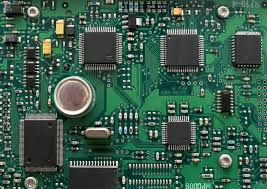
How does Printed circuit board assembly companies impact time-to-market?
Furthermore, PCB assembly companies impact time-to-market by leveraging their expertise and knowledge of industry trends and technological advancements. Companies that stay abreast of emerging technologies, materials, and manufacturing processes can offer innovative solutions that address evolving market needs and customer preferences. By incorporating the latest advancements in areas such as miniaturization, high-speed signaling, and advanced materials, PCB assembly companies can help customers develop competitive products and bring them to market faster.
Additionally, PCB assembly companies influence time-to-market by their ability to adapt quickly to changing market demands and customer requirements. Rapid changes in consumer preferences, regulatory requirements, and competitive landscapes necessitate agility and responsiveness from PCB assembly companies. Companies that can adjust their production schedules, ramp up capacity, and accommodate last-minute design changes can help customers meet tight deadlines and capitalize on market opportunities, reducing time-to-market for new products.
Moreover, PCB assembly companies impact time-to-market through their supply chain management and procurement practices. Timely availability of components, materials, and resources is essential for meeting production deadlines and avoiding delays in the product development cycle. PCB assembly companies that maintain strong relationships with suppliers, implement efficient inventory management systems, and mitigate supply chain risks can ensure continuity of operations and expedite time-to-market for electronic products.
In conclusion, Printed circuit board (PCB) assembly companies play a critical role in influencing the time-to-market of electronic products through their manufacturing capabilities, customer support, technological expertise, adaptability, and supply chain management practices. By offering efficient production processes, timely feedback and support, innovative solutions, agility, and robust supply chain management, PCB assembly companies help customers accelerate the development and launch of new products. In an increasingly competitive and fast-paced market environment, the ability to reduce time-to-market can be a significant differentiator for both PCB assembly companies and their customers, driving success and growth in the electronics industry.